Quiet Parks International is an all-volunteer organization.
Board of Directors
Matt Mikkelsen, Chairperson and Executive Director of Wilderness Quiet Parks
Matthew Mikkelsen is an award-winning sound designer, field recordist, filmmaker, and conservationist whose work captures the beauty of natural soundscapes around the world. Working at the intersection of storytelling, technology, and nature, he has collaborated with Skywalker Sound, Microsoft, Amazon Audible, and others. His sound-driven projects have been featured by National Geographic, The New York Times, NPR, CNN, and CBS Mornings, with immersive libraries distributed globally through BOOM Library. From remote field recording to the mixing console, Matthew believes deep listening is a vital, forgotten skill — one that helps us better understand and protect the world we live in. (Read Full Bio)
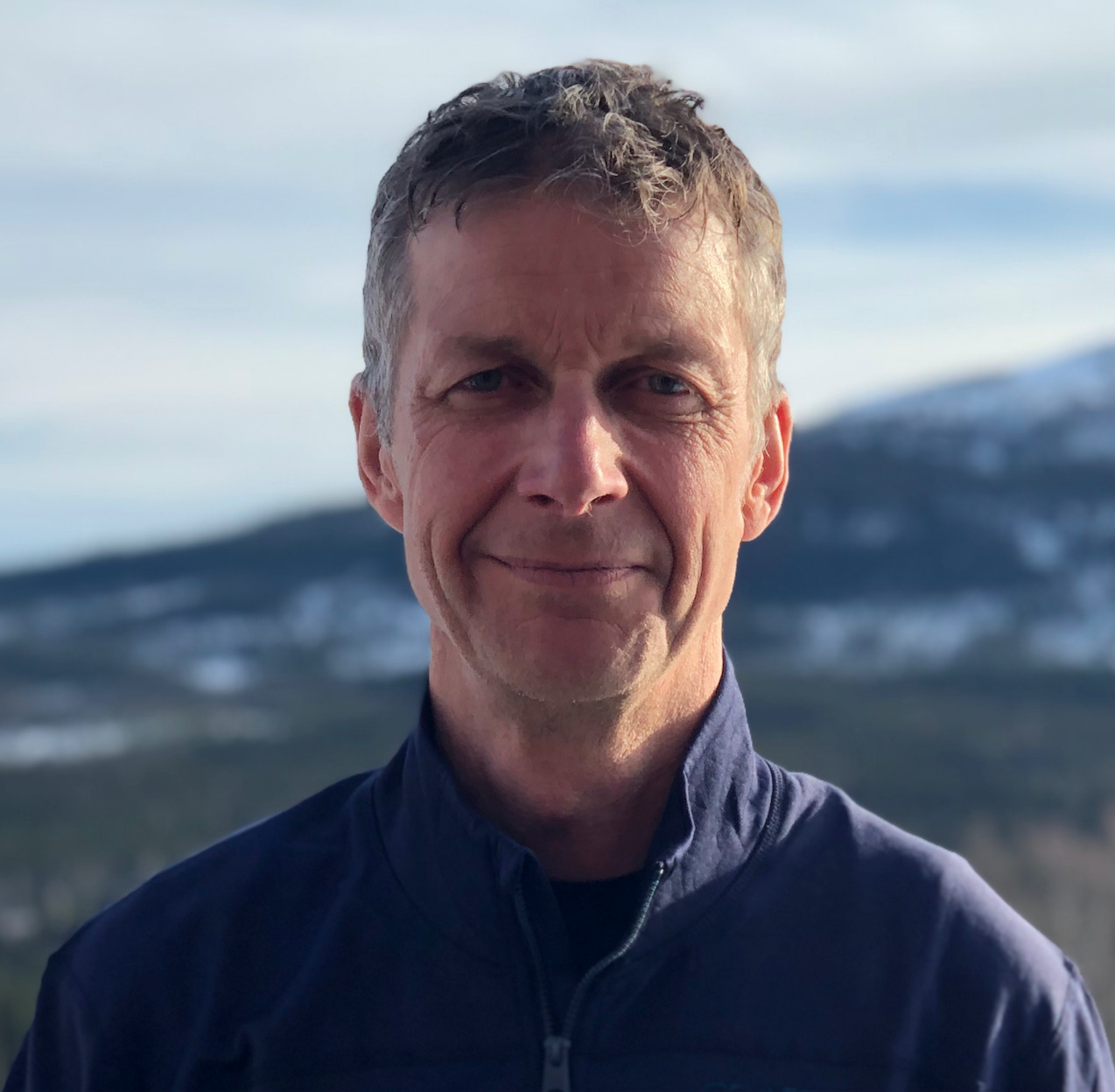
Ulf Bohman, Secretary and Executive Director of Urban Quiet Parks
I believe that you can find relative silence in nature close to or in big cities. I have implemented many Urban Quiet Parks in Sweden and would like to do that across the globe. One of my strongest experiences in my work with quiet areas is when someone after a quiet walk tells me how they, by being quiet and listening to nature, have experienced the world in a whole new way. (Read Full Bio)
Samara Kester, Treasurer
Quiet has been shown to reduce stress, to reduce incidence of infection, to permit higher cognitive functioning, and to improve healing in general. It reduces aggression and tension, and improves overall mood. It reduces blood pressure and heart rate. It reduces the elevated cortisol levels found in the "fight or flight" response, and actually may increase life expectancy. To preserve havens of natural silence is preserving our mental and physical health - ours, and for generations to come.
Vikram Chauhan, Co-Founder
Humans are pushing Earth close to tipping point. Being environmentally-conscious is not a choice anymore – it’s imperative to our survival as a species, and future of the children and the planet. When you save quiet, you save everything else. And given the chaotic state of the world - a reflection of our dysfunctional collective mental states - there is no better time to experience quiet than now. Let not anything get in the way of our quiet. Let’s hold quiet sacred. Let’s protect it, preserve it and pass it on to our future generations as a space to heal, rest and discover the Quiet Park within. Quiet is who you are. Noise is who you are not. (Read Full Bio)
Nick McMahan, Director, Quiet Trails
Quiet contrasts noise. Early adult life in a touring rock band contrasted summer hikes in the Cascade Mountains with stark intensity. I found solace in quiet moments when I could feel the natural wind on my face, but also thrilled exuberance with the ear-splitting sound walls of a small smoky venue. Quiet and noise are two sides of the coin of sound I have taken time to know through exploration and experience. (Know More)
Ethan Bourdeau, Executive Director of Standards, Outreach and Built Environment
I am an architectural acoustician, standards writer, researcher, and musician based in New York City. My work in acoustics exists at the intersection of health and well-being in the built environment with a focus on performance verified components of indoor environmental quality. Bridging the gaps between the subjective and objective perception of sound is central to my efforts in advocating for a more acoustically conscious world. (Read more)
Associates and Advisors
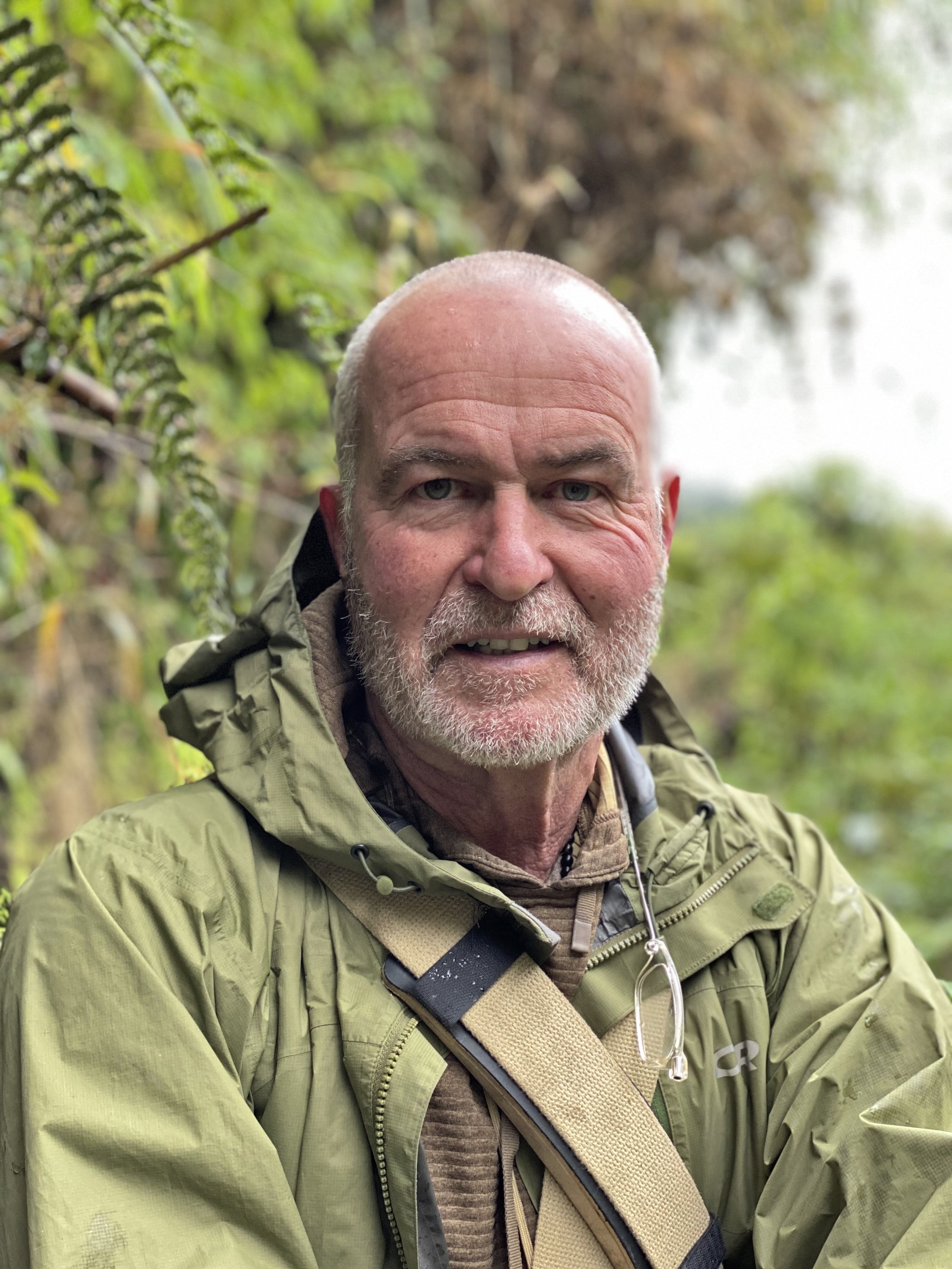
Gordon Hempton, Co-Founder, Media Affairs, Acting Director of Quiet Conservation Areas
I am an acoustic ecologist. I care very deeply about quiet. As The Sound Tracker® I have circled the globe three times over the last 37 years in pursuit of Earth’s rarest nature sounds—sounds which can only be fully appreciated in the absence of manmade noise. (Read Full Bio)
Mitsue Cook, Advisor
My love for Quiet began when I was a child floating on my back for hours in the sunny aquamarine waters of my hometown beach in the Hawaiian Islands. As an adult, in the early mornings, I trained for triathlons running on that same beach and swimming past buoy markers used by canoe paddlers. One day, as I swam just offshore, I met a large and curious turtle breaking the surface of the water. I decided then that I had to take care of the ocean: a world of life, seaweed gardens, sand, and rocks changing with the weather and tides. Now, wherever I am, that feeling of Quiet, ocean waters, and my beach are with me. I use my kinship for the ocean in my consulting and project development company, Action Plan 101. I have guided people who work for a healthy ocean, educated leaders to better environmental practices, and have created Land & Sea Festivals in Hawaii, and youth marine education projects in Seattle. I also promote the missions of ocean- focused goals of sustainable global organizations such as the California and Washington-based Quiet Parks International, Hawaii-based UN affiliate World Ocean Council, and Canadian-based shipping alliance builder Green Marine.
Laila Chin-Hui Fan, Advisor and Director of Wilderness QP, Asia
Many people ask me why we care about the soundscape. Simply put, I hope to change the world through natural sounds. I am a nature writer and sound recordist who loves to listen to the sounds of wild life. I am also involved in the use of soundscape for environmental education to convey the concern for the land. (Read Full Bio)
Layonne Maspero, Social Media Manager
Quietness. A simple word, yet it is the key to our existence and our way forward on Mother Earth. Our world today is filled with noise, whether internal or external, we are caught up in a whirlwind of it and yet somehow we seem to believe that adding more noise will fix it. Both our inner and outer nature crave nothing more than quietness, they reflect one another, and in essence, they are in harmony. Once we can find quiet within, the world around us will change to one of peace, healing, and love.
Lance O., Executive Director of Accessibility
A descendant of grandparents who spoke American Sign Language and, hard of hearing myself, silence and quietude mean something different for me. I listen with my eyes and feel the chorus of wilderness as it reverberates through my body. Today, of the over 200,000 miles of trails the American wilderness offers, only 1% are wheelchair accessible. Beyond mobility issues, very little information is available about those who seek out, but, may not be able to access wilderness and quietude. Leveraging my background in education, accessible design and media strategy, I support the need for quiet by working to ensure that Quiet Parks informational resources, site planning, media and day-to-day operations are considerate of the variety of ways that people access and use those resources. The diversity of approaches people take as they seek out, access and enjoy quiet places.
Arline L. Bronzaft, Doctor of Philosophy, Board Member of GrowNYC
I do research and write on the adverse effects of noise on mental and physical health as well as promote the importance of quiet in our lives. Knowing that noise can damage hearing, bring about cardiovascular disorders, impede learning in children, and diminish one’s quality of life has resulted in my advocating for a lowering of the din in our lives as well as preserving and protecting our quiet areas, e.g. parks. My children’s book “Listen to the Raindrops” (illustrated by Steven Parton) teaches the children about the beauty of the good sounds around us and the dangers of the noisy sounds. I am also Professor Emerita of the City University of New York and have taught Psychology at Lehman College.
Kenya Williams, Advisor - Acoustic Ecology and Sensory Urbanism
I am the Founder and Principal of Hush Soundscape Planning and Design in Portland, Oregon, the first urban planning and design firm to specialize in soundscape planning and design. I have researched and pioneered the integration of acoustic ecology and sensory urbanism with urban planning and urban design. My research interests include examining the role of the soundscape in understanding, managing, planning, and designing cities and public spaces. I embrace the sonic experience of place to adore the treasured and beloved quiet that is engrossed in the urban ambience.
Ursula Jernberg, Photographer
Nine years ago, I traveled with my camera to Norway. During a hiking tour with a Norwegian friend, I became acutely aware of outside space and nature. After a long walk, we arrived at a place alongside a country lake. It was at this place that I experienced true silence for the first time. There were no sounds to be heard. No people, no birds, no insects, no wind and no aircraft. It was the purest experience I ever had, a moment of complete calm. Since then, I’ve been fascinated by silence. It struck me how calm and peaceful I felt to be engulfed in total silence. It brought me closer to myself, closer to my intuition. I regard it as my personal calling to photograph quiet and undisturbed areas of the world. I would like to make my audience more conscious of the environment. (Read Full Bio)
Allison Barrett, Field Project Developer
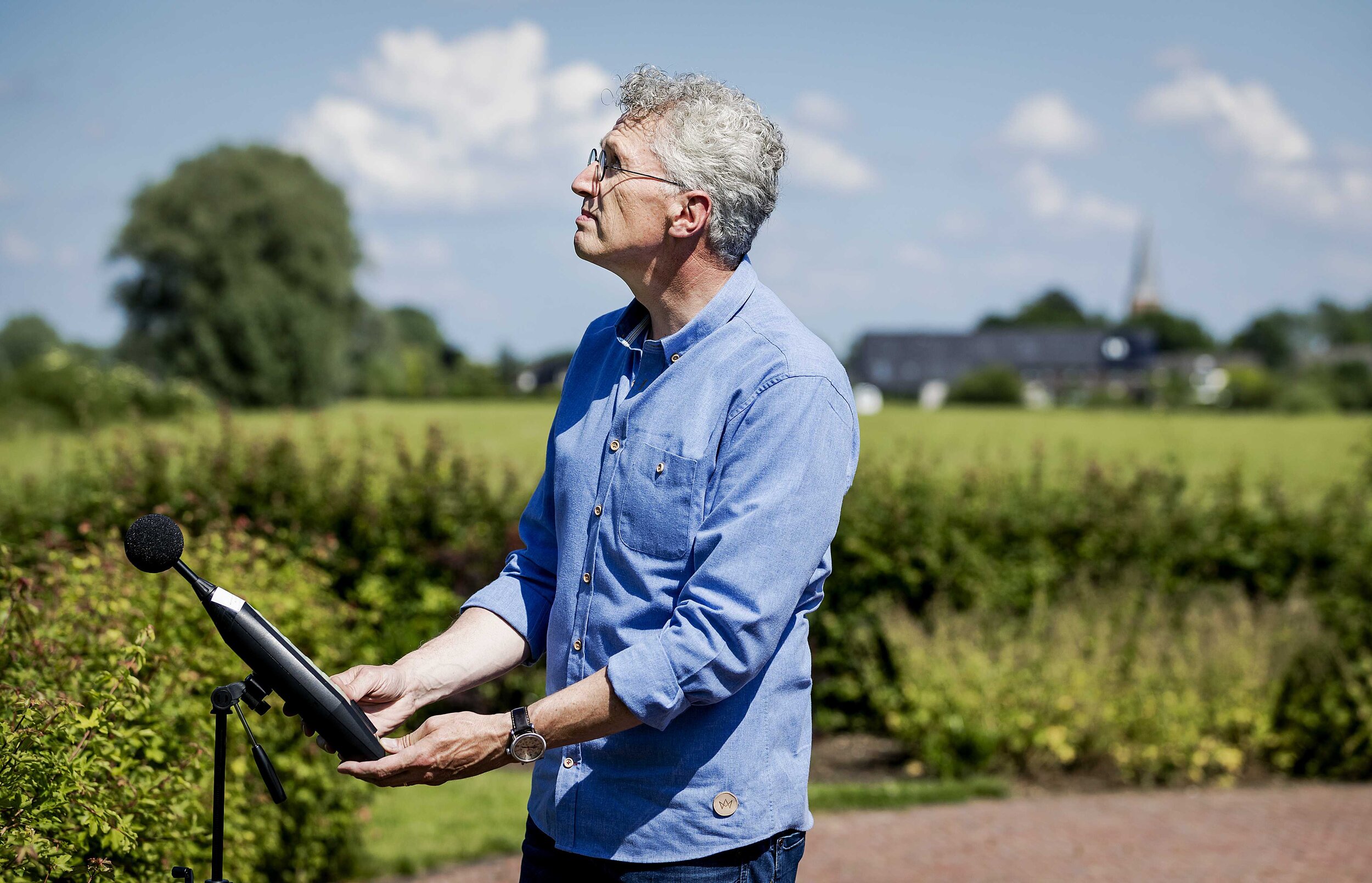
I’m a documentary filmmaker and multimedia storyteller with a background in ethnomusicology and a long-held fascination with recording sound. Recording wilderness and quiet places has taught me to truly listen. Being immersed in quiet and listening carefully to the world brings me closer to a sense of our deep coevolutionary history as a species with all other life on this planet.
Erik Roelofsen, Environmental Noise Expert
In order to preserve quiet and silent areas, I am committed to making them known to residents of the Netherlands and convincing governments to preserve these areas. I do this by indicating the importance of these areas to human health. In the Netherlands there are more than a hundred quiet areas, beautiful pieces of nature in our busy and densely populated country. Places where it is still relatively quiet. Many people need quiet nature where mainly natural sounds are heard. Staying in quiet areas is relaxing. Various scientific studies have shown the positive effects on physical and psychological health. It is important that these quiet areas are preserved and cherished. Quiet is important for our quality of life and important for nature.
Dirk Sturtewagen, Advisor, Cultural Engineer
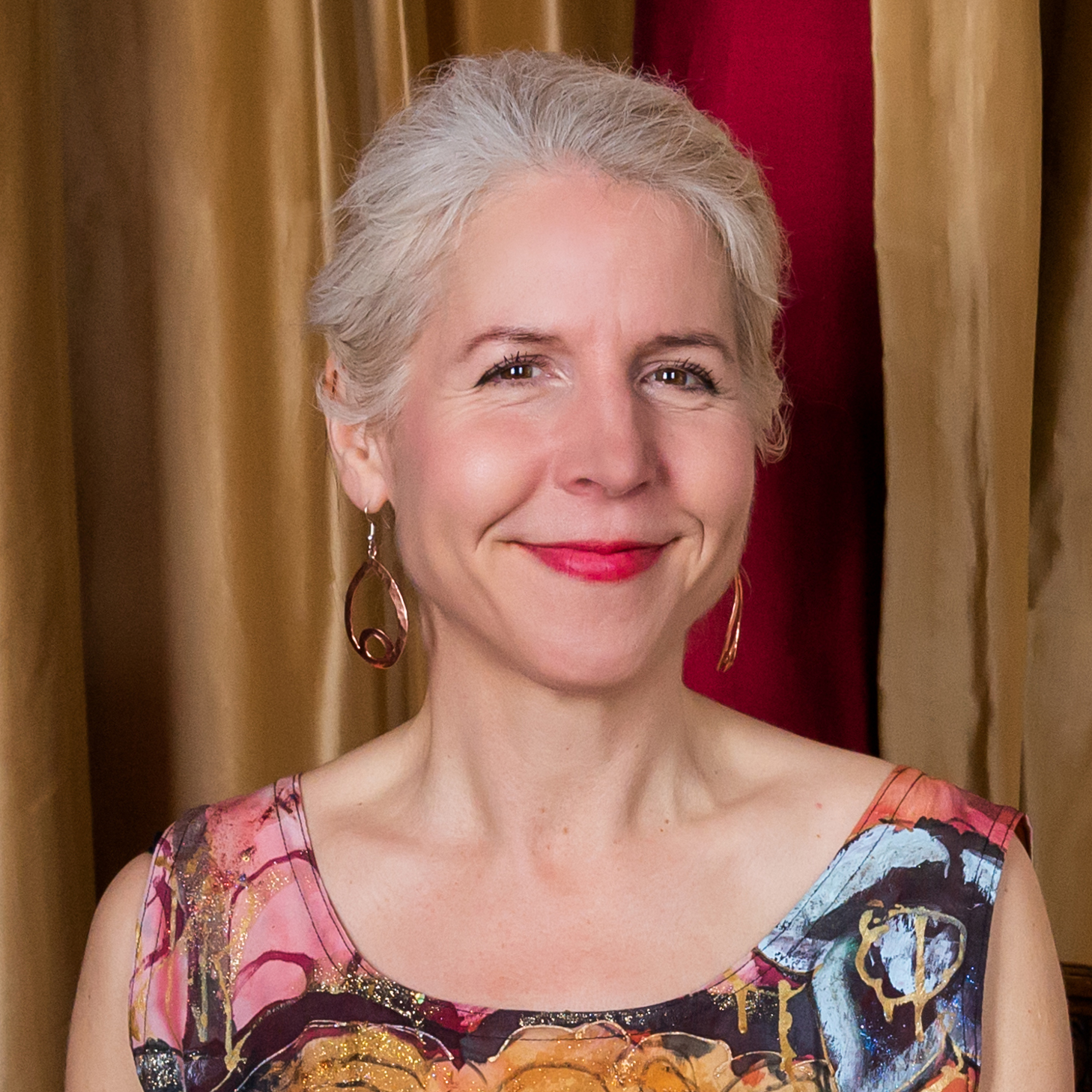
Outer silence is a doorway to inner stillness. This is one of the great discoveries of my childhood. It’s impossible to hear and listen attentively to outer sounds when there is no inner silence. By recognizing tranquil areas and inviting people to listen to the outer quiet they can come to the source of silence within themselves. This pedagogy of silence underlies all activities of Waerbeke, a socio-cultural non-profit organization in Flanders (Dutch-speaking part of Belgium, with Brussels as its capital) of which I am the director and co-founder. Waerbeke takes its name from the little brook which springs in the heart of the Dender-Marke Quiet Park. Waerbeke’s approach to silence starts from a broad holistic view on man and society. Silence can be measured acoustically, but it is first and foremost a cultural asset.
Margaret Pihl, Community Liaison
I have a lifelong interest in audio recordings of nature, people and international places. I live within a half day's drive of the Hoh Rainforest, which I consider to be a sanctuary, the heartbeat of Washington's greatest old-growth forest. I am committed to preserving the natural soundscape in the Olympic National Park.
Kate McFarland, Grant Writer
I have spent many years committed to car-free, active-transportation-based living, primarily for mental and physical heath. In the US, this lifestyle almost invariably entails being confined to the city, and being confined to the city almost invariably entails a constant onslaught of traffic noise. When traveling in Europe, however, I learned that neither is inevitable: with better infrastructure, it is possible to live car-free even in small rural towns and villages, and noise pollution can be greatly abated even in the midst of cities. The inspiration stayed with me, and I eventually resigned as Associate Director of Ohio State University's Center for Ethics and Human Values to work as a virtual assistant while traveling and exploring possibilities for car-free quiet living. I have also been involved in volunteer work for the overlapping causes of bird conservation and dark sky preservation.
Laura Giannone, Field Technician/Data Analyst
Living things seek out quiet spaces.
Marina de Moses - Advisor
I am founder and CEO of EuMuse a global platform founded with a simple, but powerful mission – to help people access, understand and benefit from scientific breakthrough in music. My interest in the application of music, art and creative thinking to complex organizations and problems led to founding companies and unorthodox social enterprises combining different fields of industry with music-based thinking. I have worked in Europe, USA and Asia at the intersection of art, science media, social challenges and innovation and am dedicated to transforming intangible qualities of curiosity, collaboration and creativity to tangible assets.
“The earth has music for those who listen.” - Shakespeare
Mia Kennel, Environmental Anthropology Advisor
I have a master of science degree from the Nelson Institute for Environmental Studies Environmental Conservation program at the University of Wisconsin-Madison and a B.A. in Cultural Anthropology with a certification in Ethnographic Research (qualitative research methods). I'm also a certified Land Ethic Leader through The Aldo Leopold Foundation and an Ecological Restoration Leader for restoration projects. When I was young, I disliked being indoors, confined to a chair, forced to stay still. More often than not, you would find me sitting in the middle of a prairie or on a riverbank- anywhere away from the hum of machines, the ringing of school bells, and the roar of traffic. It was freeing to be outside to sit and observe nature and listen to the silence. What I knew intuitively as a child, I later came to understand from a cultural anthropology and environmentalist lens - that quiet spaces are an essential element in a healthy ecosystem and the overall well-being of every living creature on this planet. I'm excited to apply my background and experience in ethnography, conservation planning, land use policy, and strategic communications for Quiet Parks International.
Zohara Rafi, Bioacoustics
I’ve always loved silence since childhood. For me, silence was the absence of din. But as a conservationist who loves bioacoustics, a silent forest makes me concerned. I am fascinated by how silence can have different meanings in different contexts. My research involves the use of acoustics to monitor animals and estimate population sizes. Bioacoustics is a non-invasive technique to sample biodiversity and that’s why I have dedicated my career to apply bioacoustics for wildlife conservation.
Voicu Pop, Technology
Once you experience the Quiet of a tropical rainforest bursting with life and melody, you realize how much we have sacrificed to arrive at our concrete jungle lives. It is with this in mind that protecting the limited Quiet we still have and expanding it is a matter of great importance to all of us if we are to remain connected to the natural world.
Anthony Lorubbio, Quiet Travel
Anthony is a certified transformational travel designer and mindfulness coach. His winding path through the stresses of life -- as a two-time founder and three-time CEO -- finally gave way to his launch of Recal, a company that specializes in Mindfulness and Adventure Travel. Anthony and his team of coaches and guides combine quiet, nature immersion, and various forms of mindfulness to help trip attendees 'recalibrate' their mind and body in the outdoors. He has a passion for guiding people on a journey that harnesses the power of natural quiet to find the peace and quiet within themselves. (Read Full Bio)
Tatum Larson, Grants Writer
It is from my experience that most answers can be found from nature. That by sitting in the quiet and observing the natural world, the mind settles and finds its rhythm. It has become apparent that we are living in a time where the importance of our connection with nature is no longer widespread knowledge, that we now exist in a world surrounded by overstimulation and often lack of real connection to each other and the earth. We must find a way to come back to ourselves, to be comfortable to sit in the quiet and to know that peace can be found there. My degree in Medical Anthropology and Global Health has taught me how the environment impacts health outcomes, and I believe that the work QPI is doing to save quiet places is integral in reacquainting our communities with nature, and by extension, aiding in the improvement of collective health.
Dan Parle, Grants Writer
I have worked in a variety of roles, but most of my professional life has involved journalism, writing, editing and human communication. My personal passion has always been to visit wilderness places to enjoy and experience them which has led to extensive travel in my home country of Canada and around the world. In my lifetime, I have been increasingly disturbed by the growing industrial and personal noise that is affecting every corner of our planet, including some of our most beautiful and tranquil places. We humans need to address the growing noise pollution we are inflicting on all life though activism and gentle education that will lead to significant behavioural change. I believe that QPI can and will contribute to this important cultural change and I am pleased to volunteer and support the organization.
Liz O’Rourke, Territory Manager, Australia
Having worked in the music industry for many years, sound has always played a huge role in my life and my ears are well honed. However a long-term meditation practice drastically changed how I listen and gave me stillness and space in a constantly noisy world. Quiet is powerful, transformative and transportive. I work growing and managing businesses, and am a certified forest bathing guide with ANFT. I believe strongly in QPI’s work, which brings together my love of wild places, sound ecology and connecting people with nature.
Tara Cruz, Field Recordist/Grant Writing, NY, USA
I am an acoustical consultant based out of the beautiful Hudson Valley in New York. My career has brought me to some of the loudest locations - highways, railroads, airports, and construction sites. So naturally, I have grown to appreciate what a gift quietness can be in an increasingly noisy world. My interest in noise as it relates to public health and knowing how crucial it is to preserve quiet is what led me to joining the team at Quiet Parks International.
Dr. Viken Koukounian, Ph.D., P.Eng., Standards
Dr. Viken Koukounian is an expert in environmental and architectural acoustics, dedicated to advancing sustainability and well-being through structured guidelines and codes. His work systematically addresses systemic challenges in policy and certification frameworks, reinforcing the role of acoustics in public health, environmental responsibility, and community resilience. Recognizing that ‘quiet’ is essential—not incidental—to well-being, he works to ensure that acoustic quality is an integral part of sustainability and livability efforts. By embedding sound considerations into structured practices, he contributes to frameworks that foster healthier, more balanced environments for both people and nature.
Regional Representatives
Advisory Group
Wilderness Quiet Parks
Nick Miller, Founder HMMH,
Retired
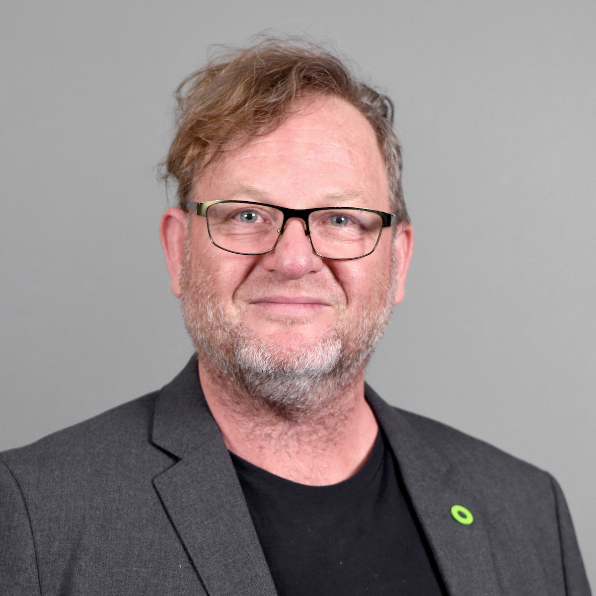
Garth Paine, Senior Sustainability Scientist, Arizona State University
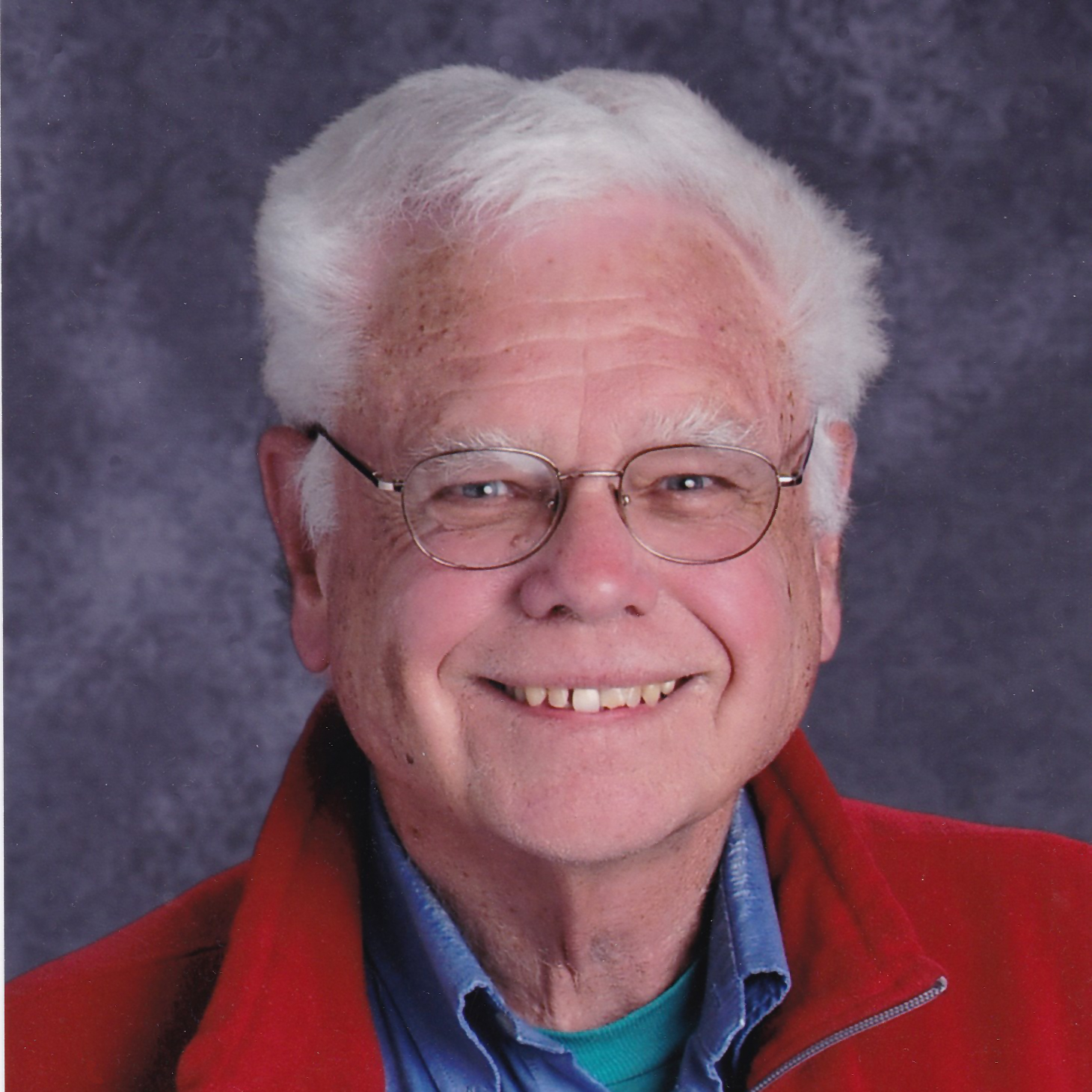
Dick Hingson, Noise/Aviation Specialist - National Parks at Sierra Club
Mark Bailey, Director of the Child Learning and Development Center, Pacific Univ.